

Introduction: The Loneliness Epidemic
“Loneliness is as dangerous to health as smoking 15 cigarettes a day.” This startling finding from a large-scale meta-analysis (Holt-Lunstad, 2010) has forced us to rethink the way we see human connection. Relationships aren’t just “nice to have”—they are central to survival, resilience, and mental well-being.
At Thrive Institute, we often say: our relationships are the strongest medicine we can ever take. Not in pill form, not in a lab, but in the simple act of being seen, held, and understood by another human being.
1. The Science of Belonging
From the moment we are born, our brains are wired for connection. Neuroscientist Matthew Lieberman calls it the “social brain” — the same circuits that process physical pain also process social rejection. This explains why a heartbreak feels like a wound and why exclusion literally hurts.
1. Research spotlight: fMRI studies show that social rejection activates the anterior cingulate cortex—the same region linked to physical pain.
2. Takeaway: Human connection is not optional; it is a biological necessity.
2. Attachment as Our First Medicine
Attachment theory, pioneered by John Bowlby, shows us how the quality of our early bonds shapes the way we navigate the world.
1. A secure child learns: “The world is safe, and I am lovable.”
2. An insecure child may learn: “I must cling to be loved,” or “I must shut down to survive.”
These early “attachment scripts” echo into adulthood, shaping intimacy, friendships, even workplace dynamics. But here’s the good news: attachment wounds can be healed. Therapy, safe relationships, and corrective emotional experiences can literally rewire the brain.
3. When Relationships Hurt
Not all connections heal—some harm.
1. Trauma bonds trap people in cycles of abuse, where fear and love become tangled.
2. Codependency leads to self-neglect in the name of “caring for others.”
3. Toxic relationships erode self-worth and amplify anxiety and depression.
Therapy here acts like an “emotional detox,” helping individuals set boundaries, recognize red flags, and rebuild a sense of self.
4. Relationships as Medicine in Psychotherapy
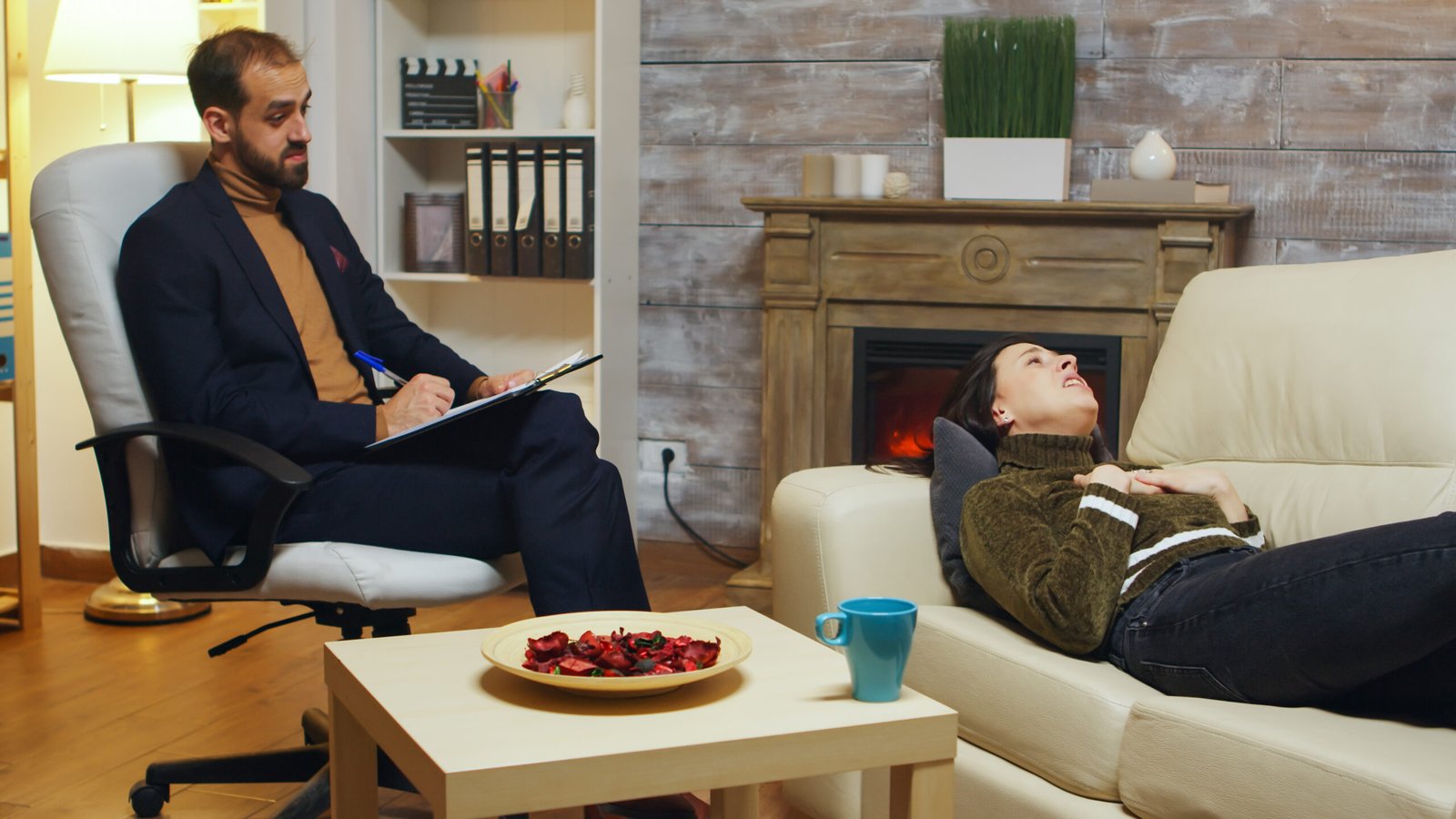
Across different therapeutic approaches, the relationship itself is the healing factor. Carl Rogers, the father of person-centered therapy, emphasized that unconditional positive regard, empathy, and congruence can catalyze profound change.
Even modern research affirms this:
1. The therapeutic alliance (the bond between therapist and client) is one of the strongest predictors of positive outcomes, more than the specific technique used.
2. Couples therapy (e.g., Gottman Method, Emotionally Focused Therapy) shows that repairing relationships reduces not only conflict but also symptoms of depression and anxiety.
5. The Healing Hormone: Oxytocin
Every hug, every shared laugh, every act of trust releases oxytocin—the brain’s bonding hormone. Oxytocin lowers cortisol (stress hormone), regulates blood pressure, and increases feelings of safety.
- Case vignette: A widow, drowning in grief, slowly rebuilt her sense of meaning not through medication, but through reconnecting with her community and grandchildren. Her blood pressure stabilized, sleep improved, and her depressive symptoms lifted—not because of a pill, but because of love.
6. Modern Crisis: Loneliness in the Digital Age
Despite being more “connected” online than ever, surveys show rising loneliness across all age groups. Constant scrolling offers stimulation but not true intimacy.
- Teenagers report high levels of social anxiety despite heavy social media use.
- Adults in urban centers often live “together yet apart.”
Therapeutic solution: Digital detox practices, mindful communication, and intentional community-building.
7. How to Make Relationships Your Medicine
Here are practical, research-backed steps to turn your relationships into sources of healing:
- Prioritize quality over quantity – One safe, secure bond is worth more than 1,000 likes.
- Practice active listening – Validation is more powerful than advice.
- Share vulnerability – Trust deepens when we allow ourselves to be seen.
- Create rituals of connection – Weekly family meals, evening walks, or morning gratitude calls.
- Seek repair, not perfection – All relationships rupture; healing comes from repair.
Conclusion: Medicine in Human Form
At Thrive, we believe therapy is not just about relieving symptoms—it’s about teaching people to access the strongest medicine they already have: their relationships. Healing begins not in isolation but in connection.
As the poet Rumi once said: “The wound is the place where the light enters you.” And often, that light comes through the people who love us back to wholeness.