

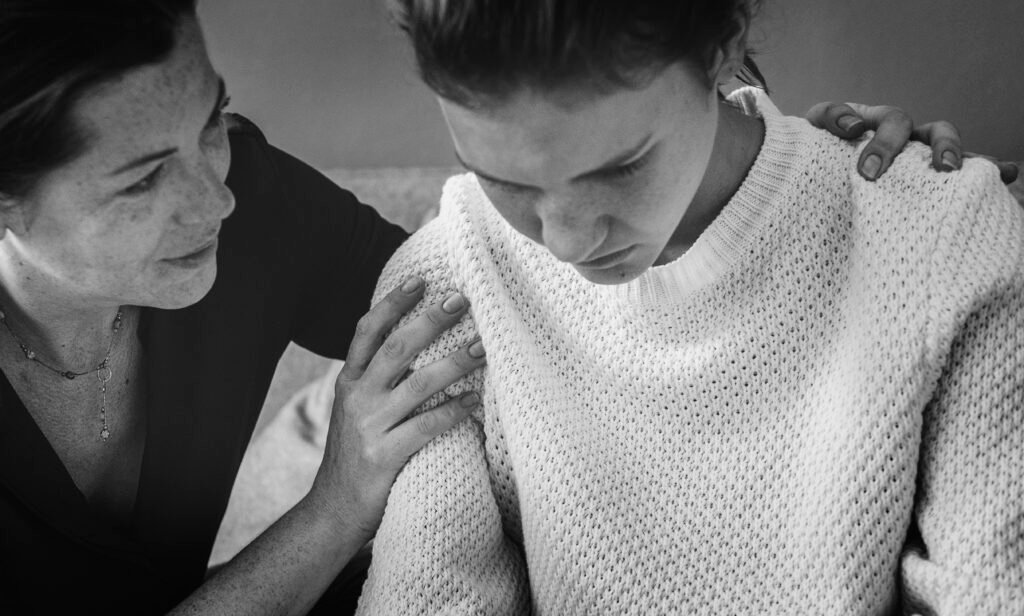
Introduction: Trauma Isn’t Always Visible
When we hear the word “trauma,” most think of war veterans or survivors of catastrophic accidents. But trauma is not only about extreme events—it can live in subtle, everyday experiences that leave deep marks. At Thrive, we call these invisible wounds.
Not every scar bleeds. Not every wound is visible. And yet, they shape the way we think, feel, and connect.
Expanding the Definition of Trauma
- Big “T” Trauma: Severe, life-threatening experiences such as abuse, assault, war.
- Small “t” Trauma: Subtle yet powerful experiences—bullying, rejection, neglect, microaggressions.
- Developmental & Relational Trauma: Early experiences of abandonment or emotional neglect that shape attachment patterns.
Research Insight: Studies show cumulative micro-traumas can impact mental health as much as single catastrophic events.
The Body Keeps the Score
Bessel van der Kolk’s research highlights how trauma is stored not just in memory but in the body.
- Flashbacks, hyperarousal, and somatic pain often accompany unresolved trauma.
- Polyvagal theory (Stephen Porges) explains why trauma survivors often feel “unsafe” even in safe environments.
How Trauma Shows Up Daily
Trauma is not always flashbacks—it’s often hidden in:
- Perfectionism and overachievement.
- Hyper-independence (“I can’t rely on anyone”).
- People-pleasing at the cost of self.
- Emotional numbness.
Healing Pathways
- Trauma-focused CBT helps restructure traumatic beliefs.
- EMDR (Eye Movement Desensitization and Reprocessing) facilitates adaptive reprocessing.
- Hypnotherapy allows subconscious release of trapped memories.
- Somatic therapies restore a sense of safety in the body.
Case Vignette: A high-functioning executive sought therapy for “stress.” Only later did it emerge she was carrying childhood emotional neglect. Through inner-child work and hypnotherapy, she learned not just to function—but to feel safe.
Conclusion
Trauma is not defined by the size of the event, but by the size of its impact. Healing is possible—through safe relationships, therapeutic intervention, and compassion.