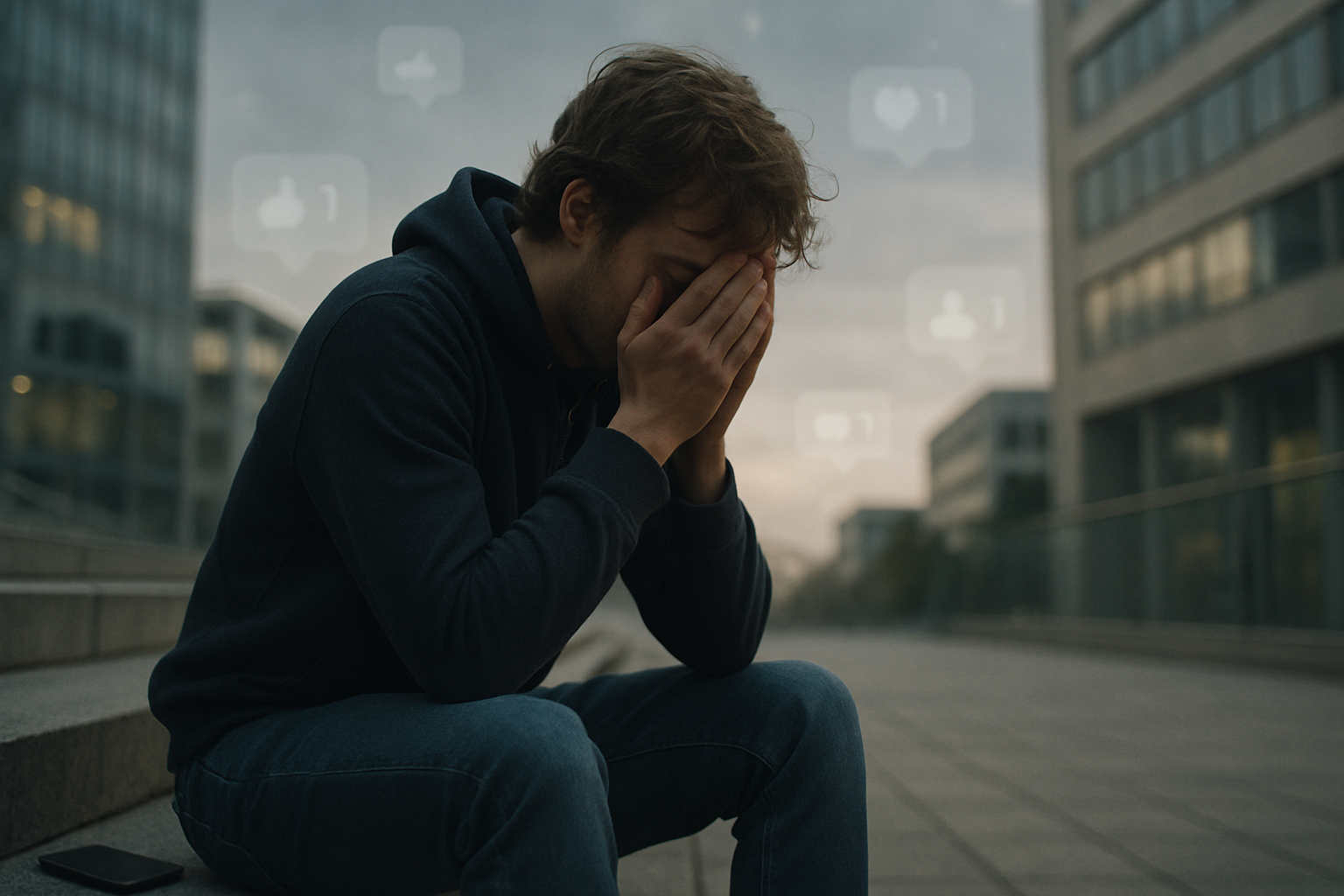


Introduction: Hope as Survival
Hope is not wishful thinking—it is a survival strategy hardwired into our brain. In therapy, hope is often the turning point: the moment when a client believes healing is possible.
At Thrive, we see hope as the seed from which all transformation begins.
What Is Hope?
Psychologist C. R. Snyder defined hope as the combination of:
1. Pathways thinking – the belief that ways forward exist.
2. Agency thinking – the belief that I can take them.
The Brain on Hope
- Dopamine pathways activate when imagining a better future.
- The prefrontal cortex engages in planning and problem-solving.
- Neuroplasticity allows new hopeful pathways to replace despair.
Research: Studies show patients with higher hope levels recover faster post-surgery, cope better with chronic illness, and show greater resilience in adversity.
Hope as a Therapeutic Ingredient
- In CBT, therapists foster hope by reframing limiting beliefs.
- In Hypnotherapy, visualizations anchor clients in possibility.
- In Trauma Therapy, hope helps transform victimhood into survivorship.
Case Story
A cancer patient once asked, “Why me?” Through guided imagery, she began to visualize her body as a garden healing itself. This shift in hope restored her energy, reduced depressive symptoms, and gave her strength through chemotherapy.
Practical Hope Practices
- Gratitude journaling.
- Visualization of future self.
- Sharing success stories in therapy.
Conclusion
Hope is not naive—it is neuroscience. It fuels resilience, strengthens recovery, and empowers healing. At Thrive, we help clients plant and nurture hope until it becomes their strongest ally.